

One neuron at a time
by Caleb
Push single neurons in small open models and turn them into villains, flatterers or pirates. Try the recorded replies, then run it yourself.
Builds AI personas from what people publish on Substack, YouTube, blogs and Bluesky, and rebuilds them as new posts arrive. Any MCP client can then consult them.
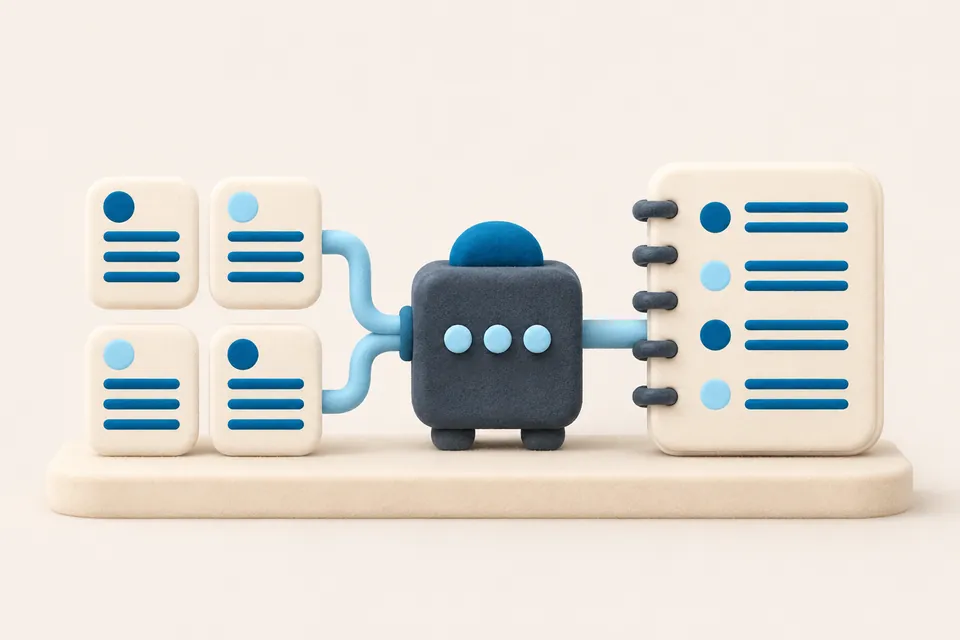
Braintrust builds AI personas of the people you choose to follow, based on what they have actually published. A static prompt that says respond like someone goes stale; Braintrust keeps each persona current and cites its answers back to dated sources.
It is a personal tool that you clone and deploy yourself, not a hosted service. It is built on the Open Brain (OB1) project and runs against your own database and your own model endpoints.
by Caleb
Push single neurons in small open models and turn them into villains, flatterers or pirates. Try the recorded replies, then run it yourself.
by Jeremy
Capability-based security, scope-bounded planning and out-of-band audit for autonomous LLM agents.
by Chris
A guided tour of Dave, a personal AI agent: what it can do, why each feature exists and how it is put together.